Healthcare AI · Risk Control
Certified AI Triage of ICU Alarms
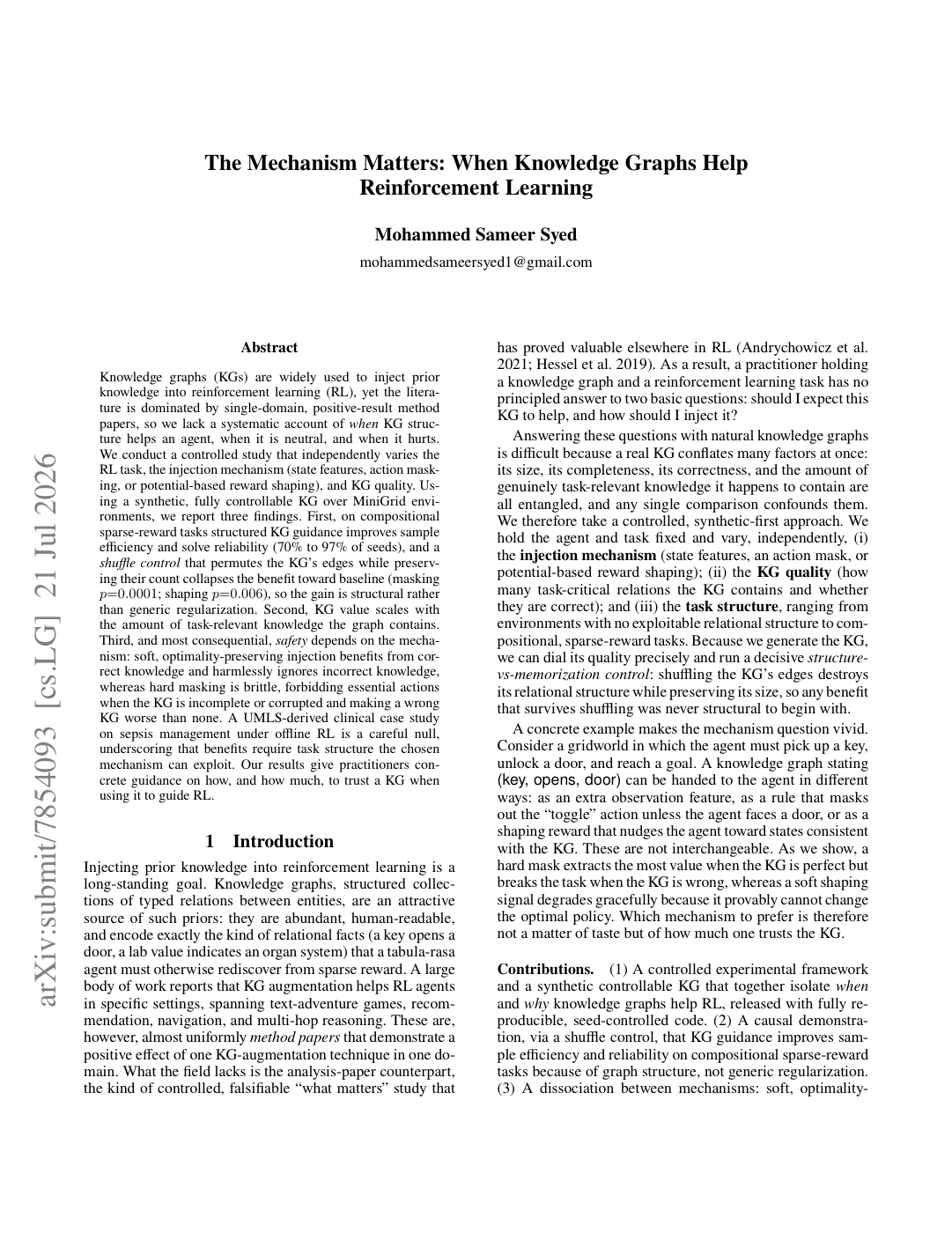
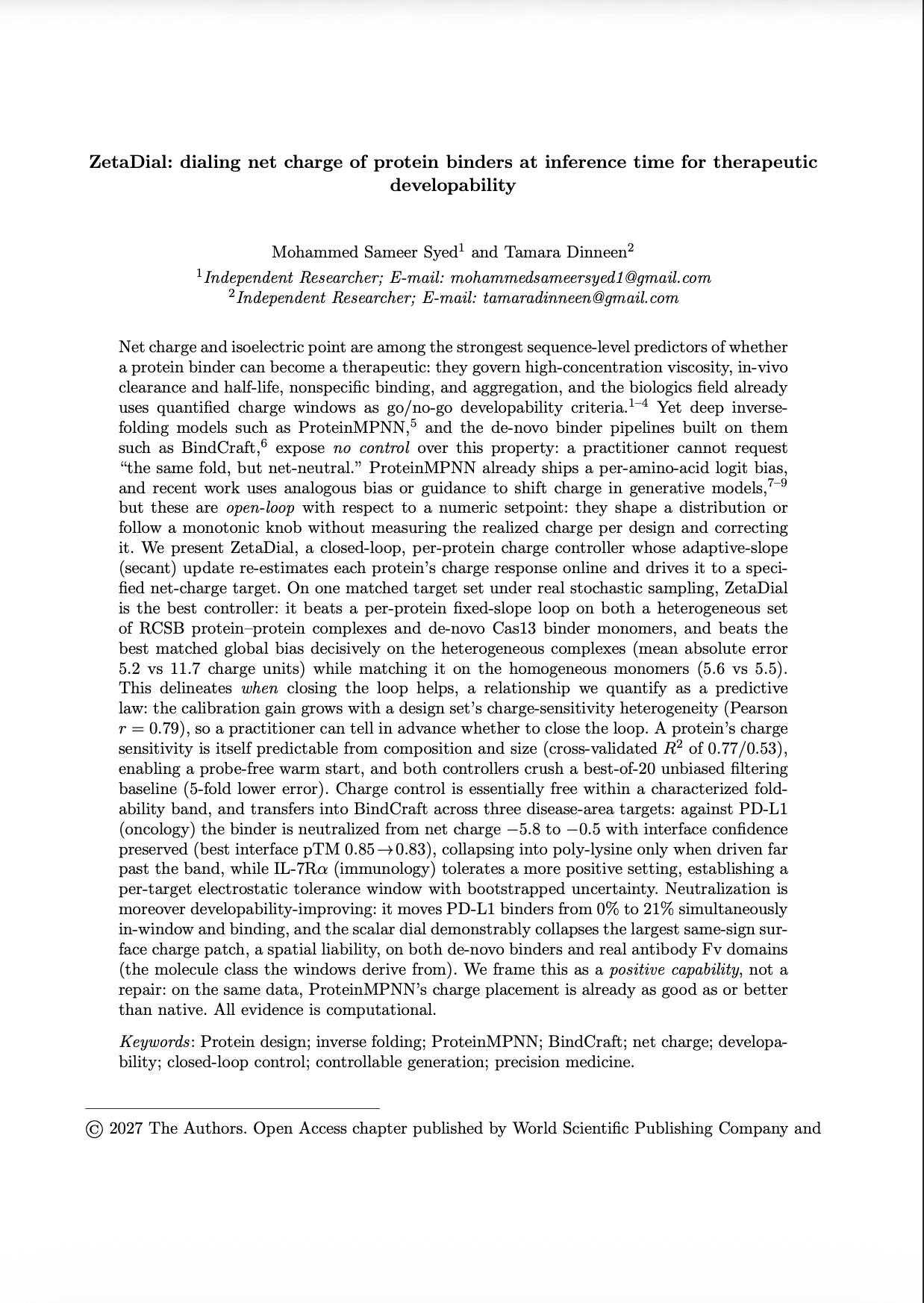
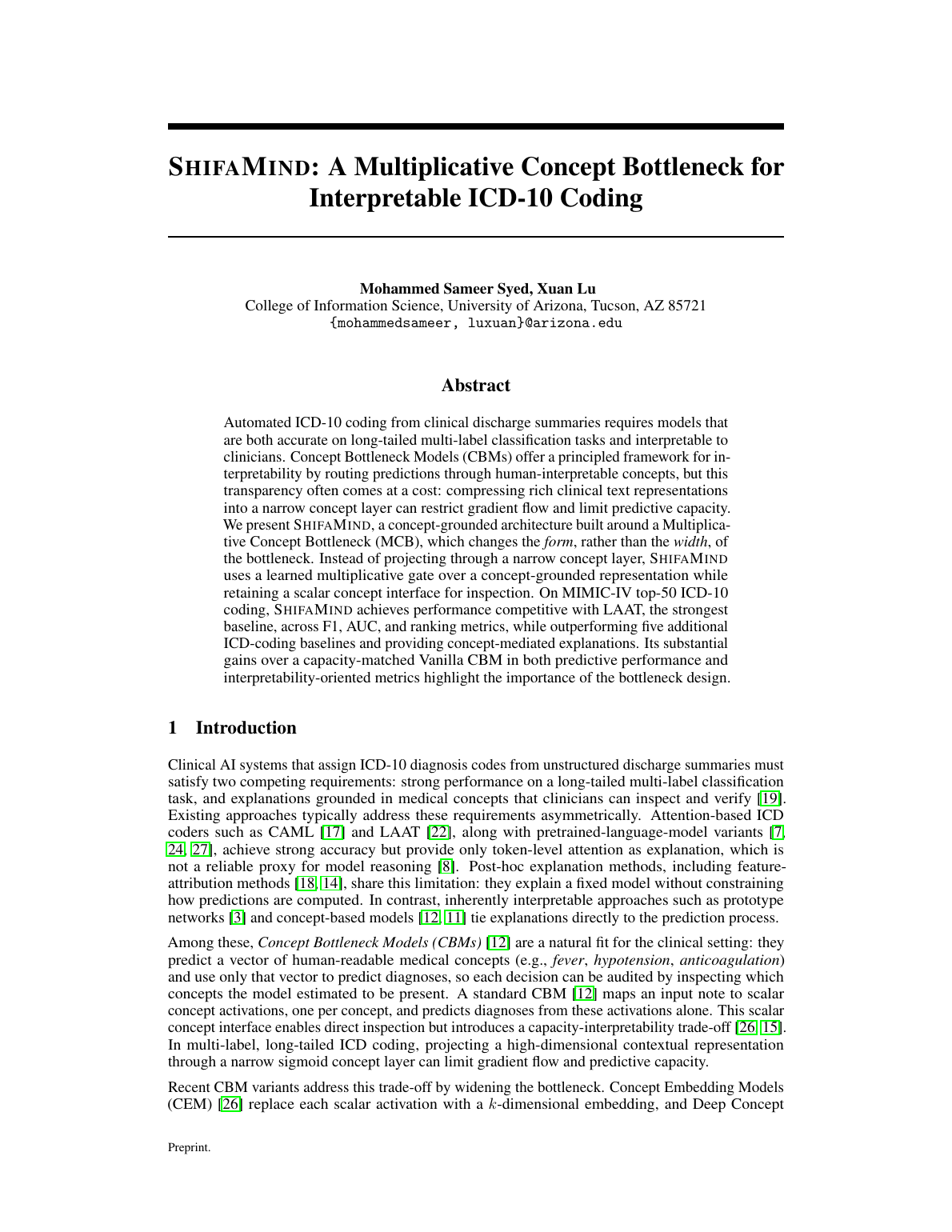
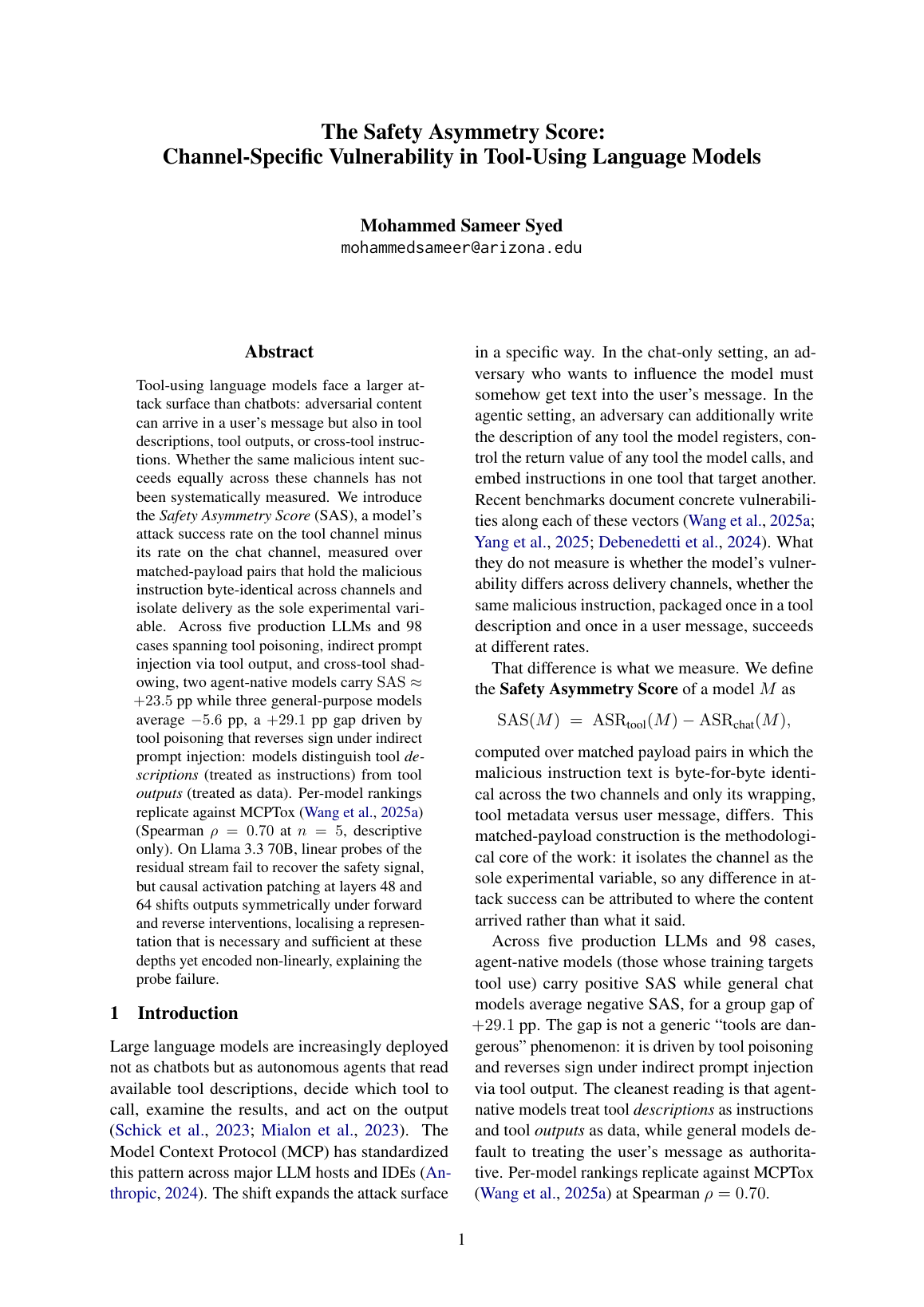
ICU monitors produce large numbers of false alarms, but suppressing a genuine ventricular-tachycardia alert can delay recognition of a dangerous arrhythmia. This work reframes alarm reduction as certified three-way triage: retain, suppress, or defer. It places a 95%-confidence bound on the share of genuine events among suppressed alarms, studies how multiplicity across candidate policies affects certification, and projects the calibration volume needed for a chosen safety budget. On the official VTaC split, the 5% budget certified in every seed while suppressing 74.8% of false alarms and only 1.5% of genuine alarms.
74.8%
False alarms suppressed
5% certified budget
1.5%
Genuine alarms silenced
0.953
AUROC
Challenge Score 83.33